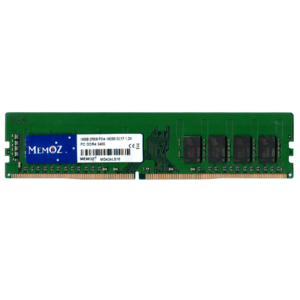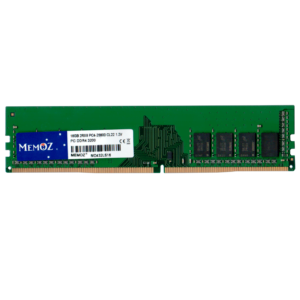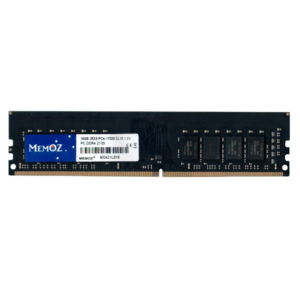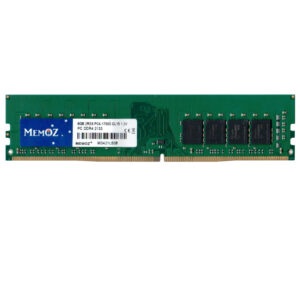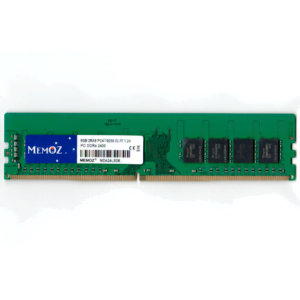
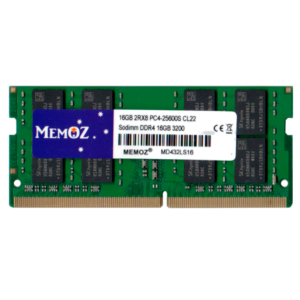
 Memoz 16GB 3200 MHz DDR4 RAM Laptop SoDimm Notebook Memory
 DIMM
DIMM (Dual In-line Memory Module) is the most common type of RAM stick used in desktop computers and servers. It’s a long, rectangular circuit board with memory chips on it that plugs directly into a slot on the motherboard.
Key Features & Function
DIMMs are essentially the computer’s short-term memory. They provide a fast, temporary workspace for the CPU to access data that’s currently in use, such as the programs you have open or the files you’re working on. This is significantly faster than retrieving data from a slower storage device like a hard drive or SSD. The term “dual in-line” refers to the fact that the electrical contacts on both sides of the module are separate, which allows for a 64-bit data path and faster data transfer rates compared to older memory modules.
DIMMs are the standard size for desktop PCs, which have more space inside the case. In contrast, laptops and smaller form-factor PCs use a smaller version called SO-DIMM (Small Outline DIMM). While both perform the same function, they are not interchangeable due to their different physical sizes and pin configurations.
Showing all 7 resultsSorted by popularity
-

Memoz 16GB DDR4 Desktop RAM 2400 MHz UDimm PC Memory
$154.00 inc. GSTAdd to cart Quick View -
Memoz 16GB 3200 MHz DDR4 Desktop RAM PC UDIMM Memory
$172.00 inc. GSTAdd to cart Quick View -
Memoz 16GB 2133 MHz DDR4 for Desktop PC RAM Memory
$152.00 inc. GSTAdd to cart Quick View -
Memoz 8GB DDR4 2133 MHz Desktop PC PC4-17000 RAM
$78.00 inc. GSTAdd to cart Quick View -
Memoz 8GB DDR4 2400 MHz Desktop RAM PC UDIMM Memory
$78.00 inc. GSTAdd to cart Quick View -
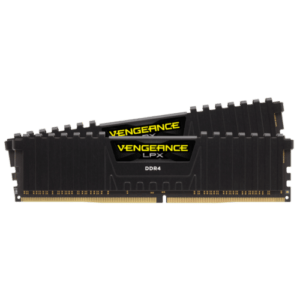
Corsair Vengeance LPX 64GB (2 x 32GB) DDR4 DRAM 3200MHz
$684.00 inc. GSTRead more Quick View -
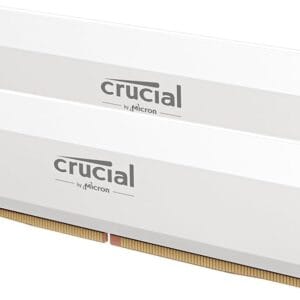
Crucial Pro DDR5 RAM 64GB Kit (2x32GB) 6400MHz CL40, Overclocking Gaming, White
$996.00 inc. GSTAdd to cart Quick View